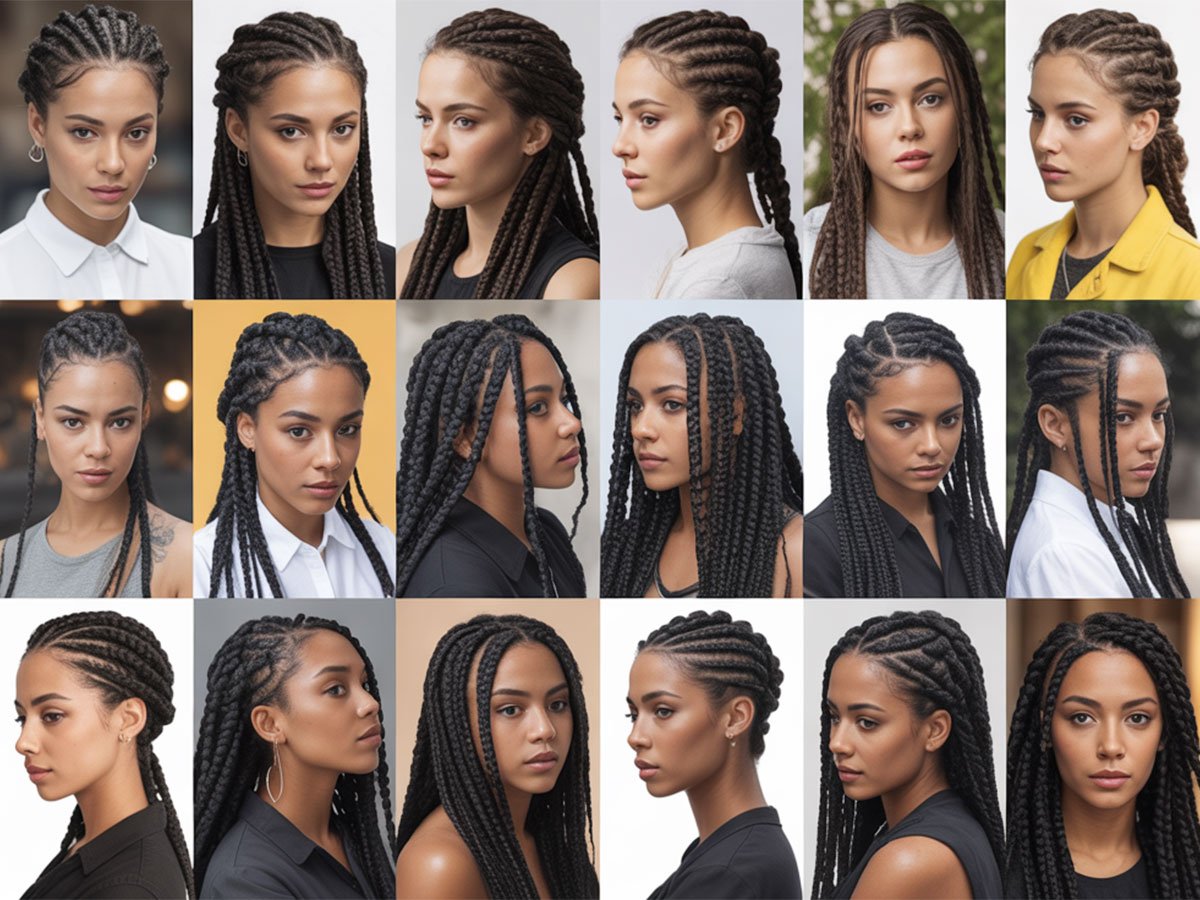
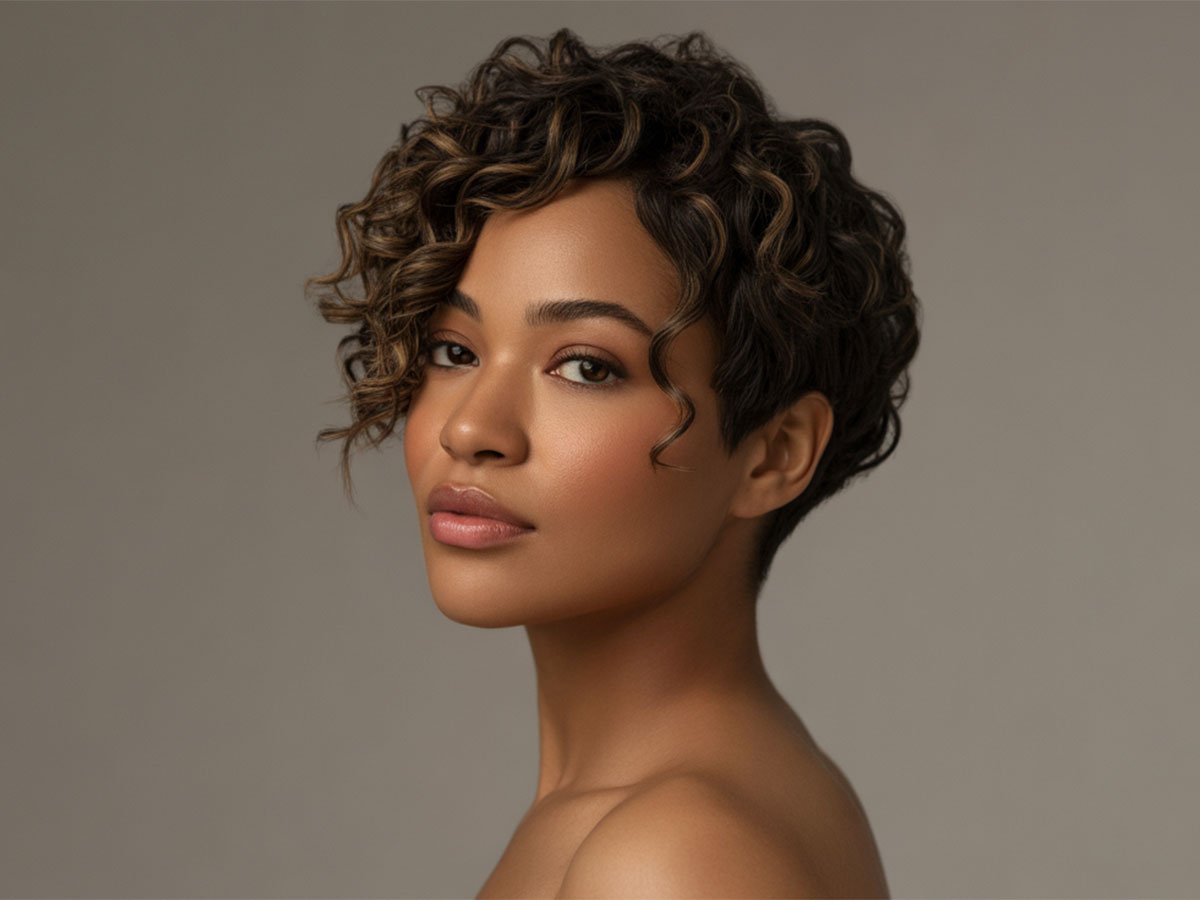
Sisterlocks are more than a hairstyle — they’re a statement of elegance, individuality, and freedom. This ultimate 2025 guide brings you 101 stunning Sisterlocks styles with inspiration photos to help you embrace your natural beauty with confidence.
Whether you’re new to Sisterlocks or looking for your next creative look, this guide covers everything from installation and styling to maintenance and care tips. Explore fresh ways to wear your locks — from bold updos to soft curls — and find the perfect style that fits your personality and lifestyle.
Hair Texture
Credit Instagram – @twostrandsalon
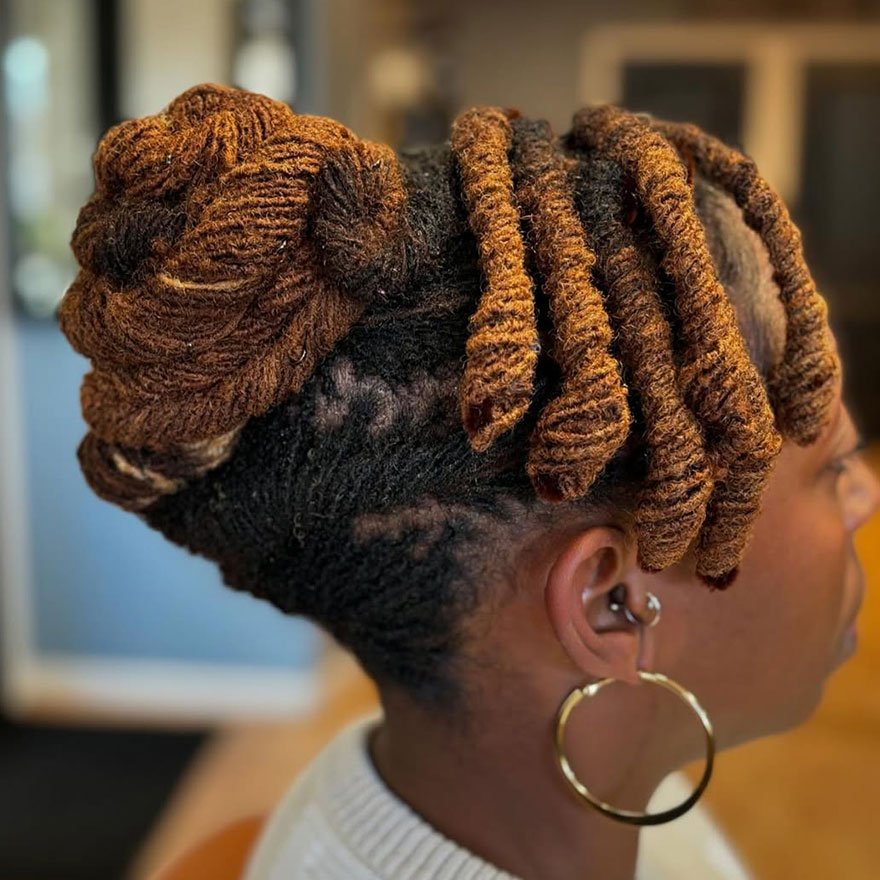
Quick Summary: Sisterlocks work best on naturally coily or kinky textures, though they can also be started on relaxed or transitioning hair.
Sisterlocks are most compatible with naturally textured hair, especially coily, kinky, or tightly curled types. These textures help the small, uniform sections interlock and hold their shape.
However, Sisterlocks aren’t limited to natural hair only — they can also be started on relaxed, transitioning, or short hair. The process works because it doesn’t rely on added products or chemicals but instead uses your hair’s natural texture to form the loc pattern.
Unlike traditional locs, which can be started on any hair type using twisting or palm-rolling methods, Sisterlocks are created using a unique interlocking technique that allows for a lighter and more flexible result.
Installation and Cost
Credit Instagram – @nishasshair_
Quick Summary: Sisterlocks must be installed by a certified consultant, usually costing between $500 and $2,000 depending on length and density.
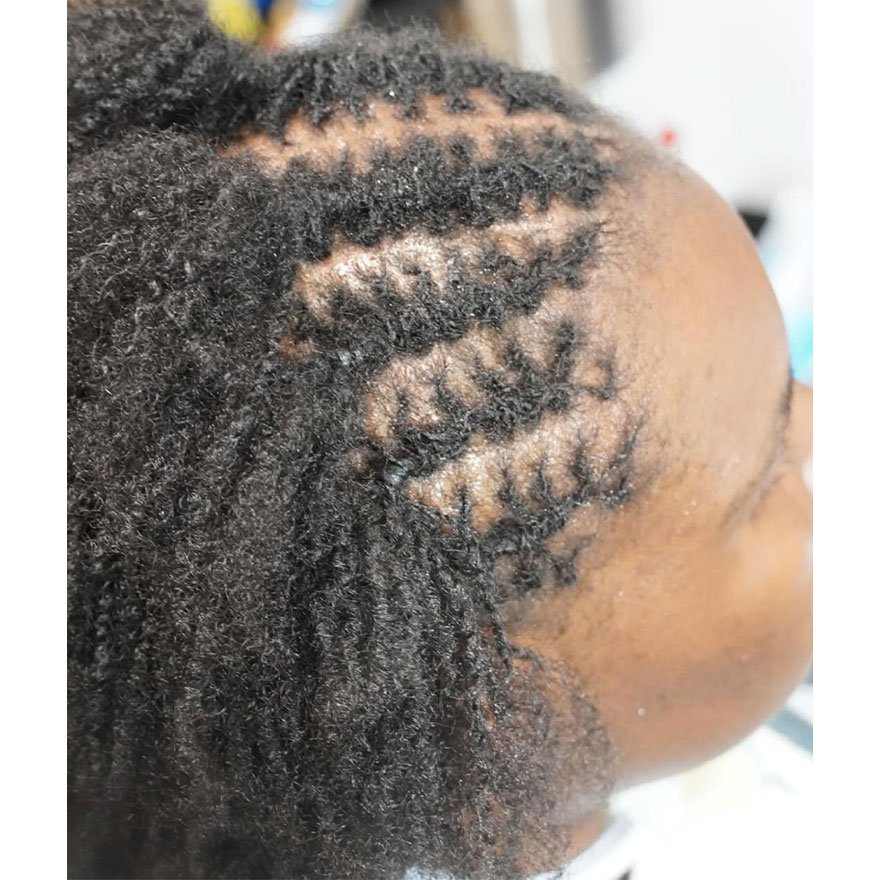
Sisterlocks installation is an intricate and time-intensive process that must be performed by a certified Sisterlocks consultant. These professionals use a patented interlocking tool to create precise, uniform sections from the tip to the root, minimizing tension and promoting healthy growth.
The total cost varies depending on hair length, thickness, and density, as well as your consultant’s experience. On average, the initial installation ranges from $500 to $2,000 or more. Shorter hair and fewer locs tend to cost less, while longer, denser hair can increase the price significantly.
Because the process can take 10 to 24 hours or more (sometimes spread over multiple days), most clients also schedule follow-up appointments for retightening and maintenance. It’s an investment upfront, but one that pays off with years of styling freedom and minimal daily upkeep.
Number of Locs
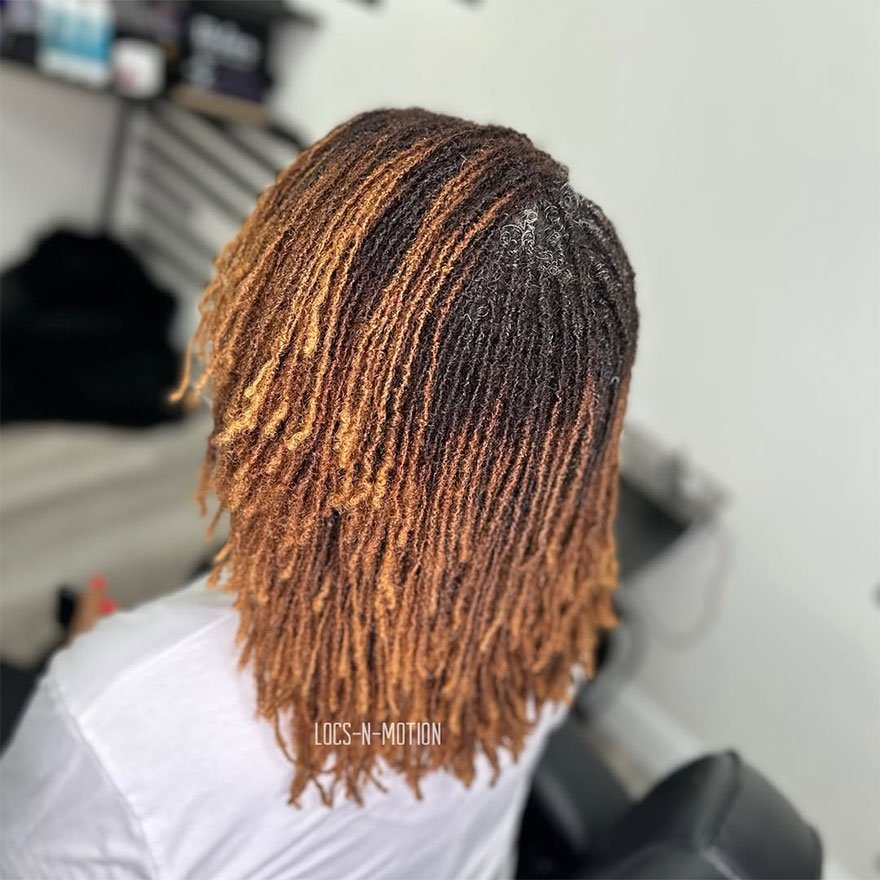
Credit Instagram – @locs_n_motion
Quick Summary: A typical Sisterlocks installation includes 350–600 locs, offering maximum fullness and styling versatility.
On average, a full Sisterlocks installation yields 350 to 600 individual locs — far more than traditional or even microlocks. The exact number depends on your head size, parting grid, and hair density.
This large number of fine locs gives you unmatched styling versatility, from intricate updos to free-flowing curls. It also allows you to maintain a fuller, lighter appearance compared to thicker traditional locs.
Parting Methods
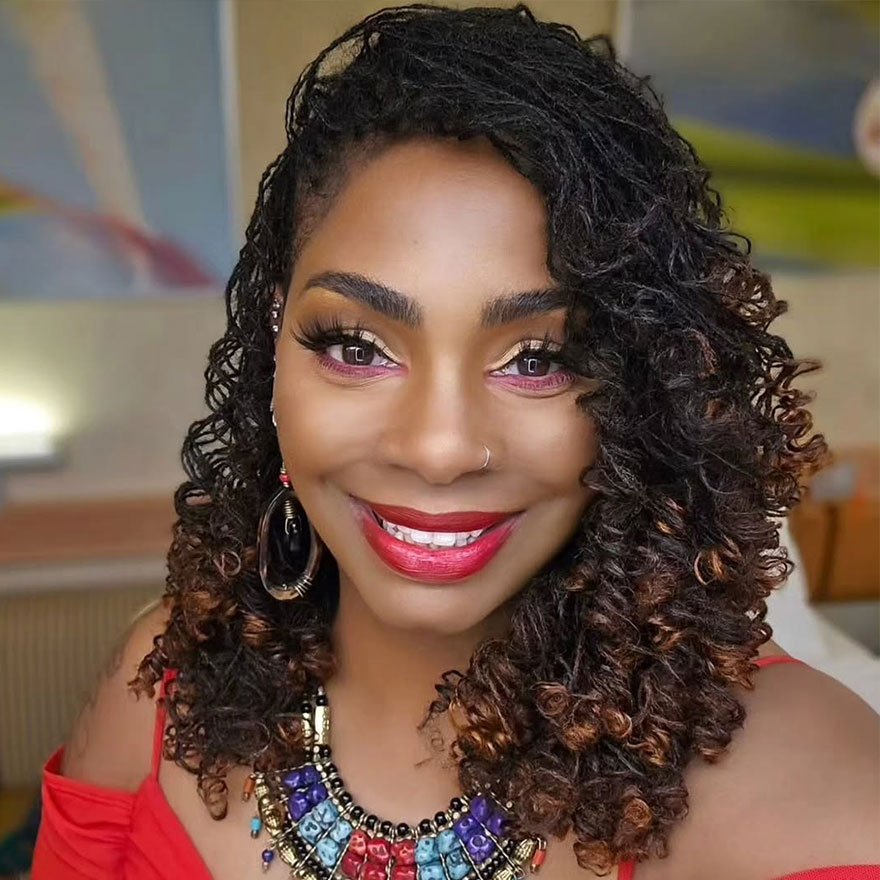
Credit Instagram – @locksisters
Quick Summary: Sisterlocks use a specialized grid system for precise parting, ensuring neat, symmetrical sections across the scalp.
One of the defining features of Sisterlocks is the precision parting pattern. Each practitioner follows a specialized grid system taught exclusively through Sisterlocks training. This ensures even spacing, clean sections, and balanced volume throughout your hair.
Traditional and microlocks, by contrast, allow for more creative freedom — with square, diamond, or triangle-shaped parts — but Sisterlocks’ grid pattern provides consistency and professional symmetry that supports long-term maintenance and styling ease.
Size and Weight
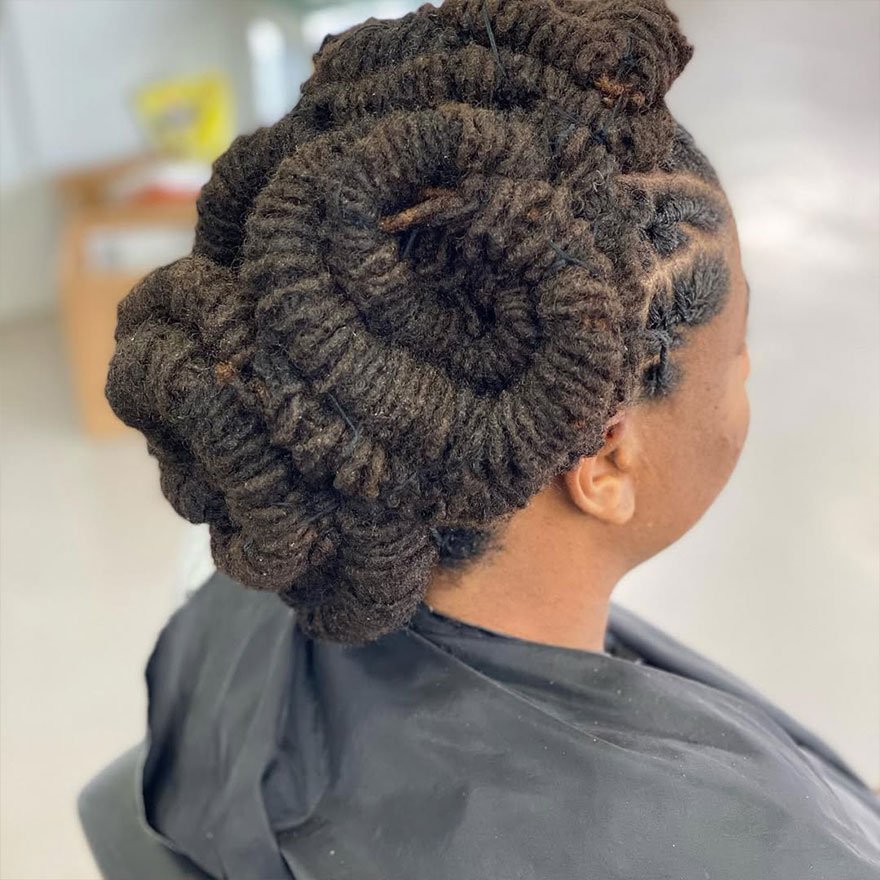
Credit Instagram – @the.hair.palace
Quick Summary: Sisterlocks are fine, lightweight, and gentle on the scalp, unlike heavier traditional locs.
Because Sisterlocks are made on very small sections, they are extremely lightweight. The fine structure gives the appearance of naturally loose hair while keeping it compact and easy to style.
Traditional locs, on the other hand, are thicker and heavier, often the size of a pencil or larger. Sisterlocks offer a feather-light feel that makes them comfortable for all-day wear — even in intricate styles or updos.
The reduced weight also means less scalp tension and a healthier foundation for long-term growth.
Extensions
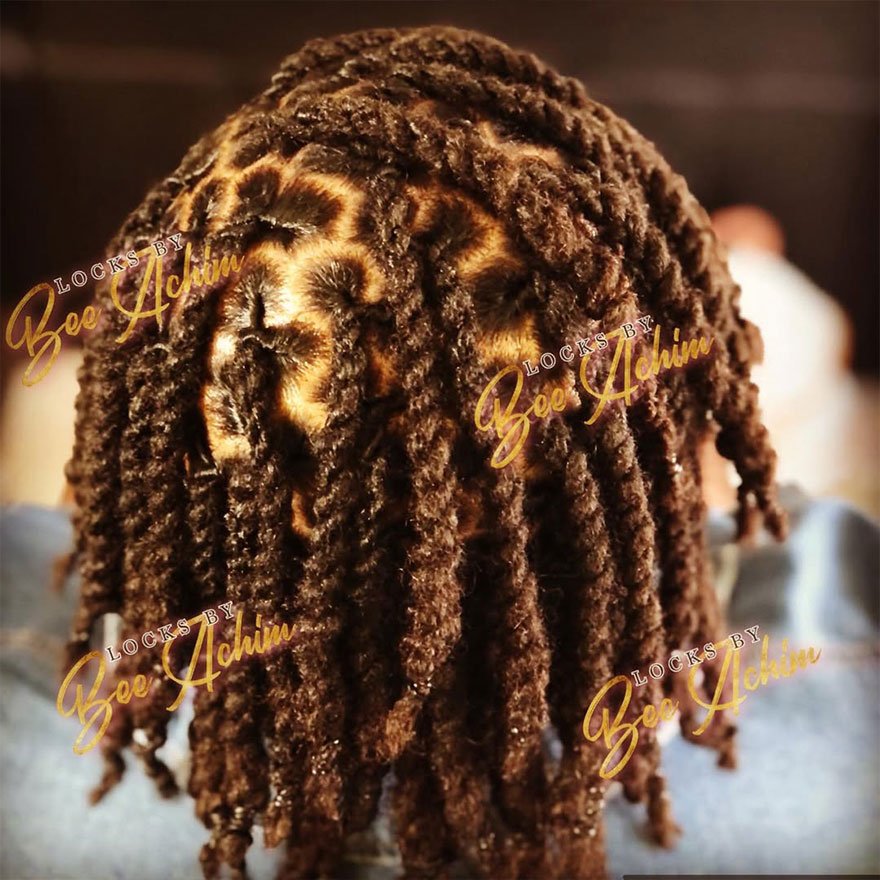
Credit Instagram – @locksbybeeachim
Quick Summary: Sisterlocks must be started with your natural hair; adding extensions disqualifies them as true Sisterlocks.
Unlike other loc methods, Sisterlocks must be started on your natural hair — extensions are not allowed. The purity of the Sisterlocks system relies on the natural interlocking process, which extensions disrupt.
If you wish to add length or fullness, microlocks or traditional locs may be better options, as they allow for extensions during or after installation. Sisterlocks emphasize authenticity, natural beauty, and healthy hair growth over artificial length.
Products
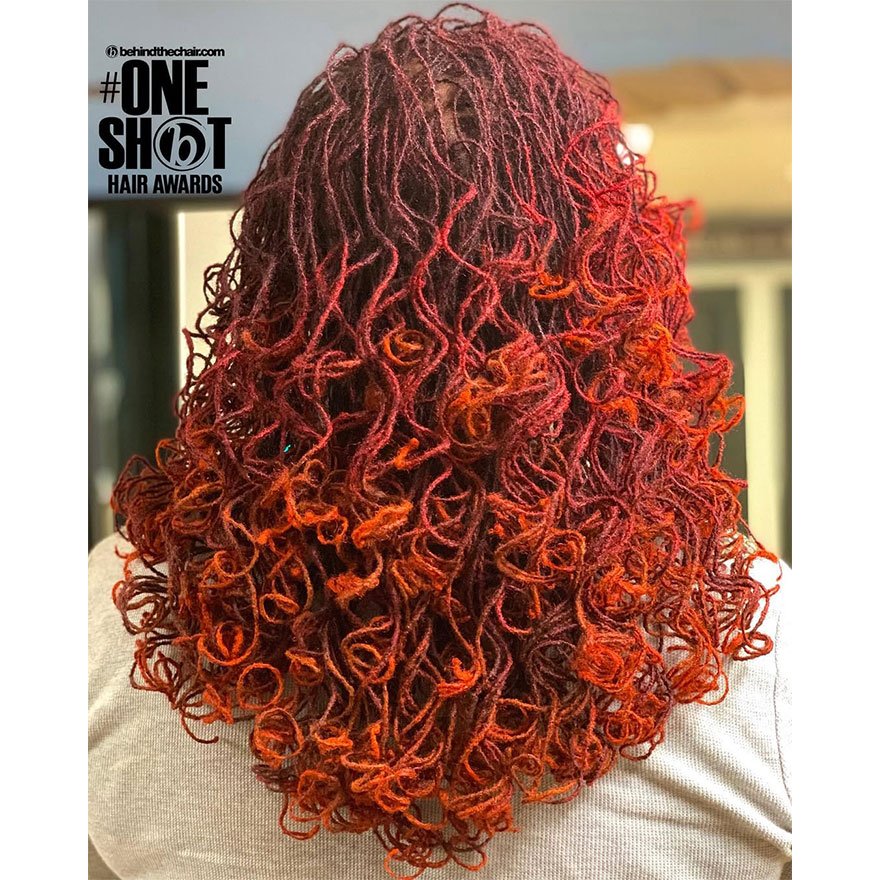
Credit Instagram – @twostrandsalon
Quick Summary: Early-stage Sisterlocks require minimal products — mainly the Sisterlocks Starter Shampoo.
Sisterlocks are known for their minimal product philosophy. In the early stages, the only recommended product is the Sisterlocks Starter Shampoo, a clarifying formula that encourages the hair to tighten and lock properly.
Until your locs mature, you should avoid oils, conditioners, and styling creams, as they can prevent proper locking. Once mature, you can reintroduce light natural oils or moisture sprays if needed.
If your scalp feels dry or itchy during the adjustment period, soothing solutions like rose water or witch hazel can provide relief without interfering with the locking process.
Washing
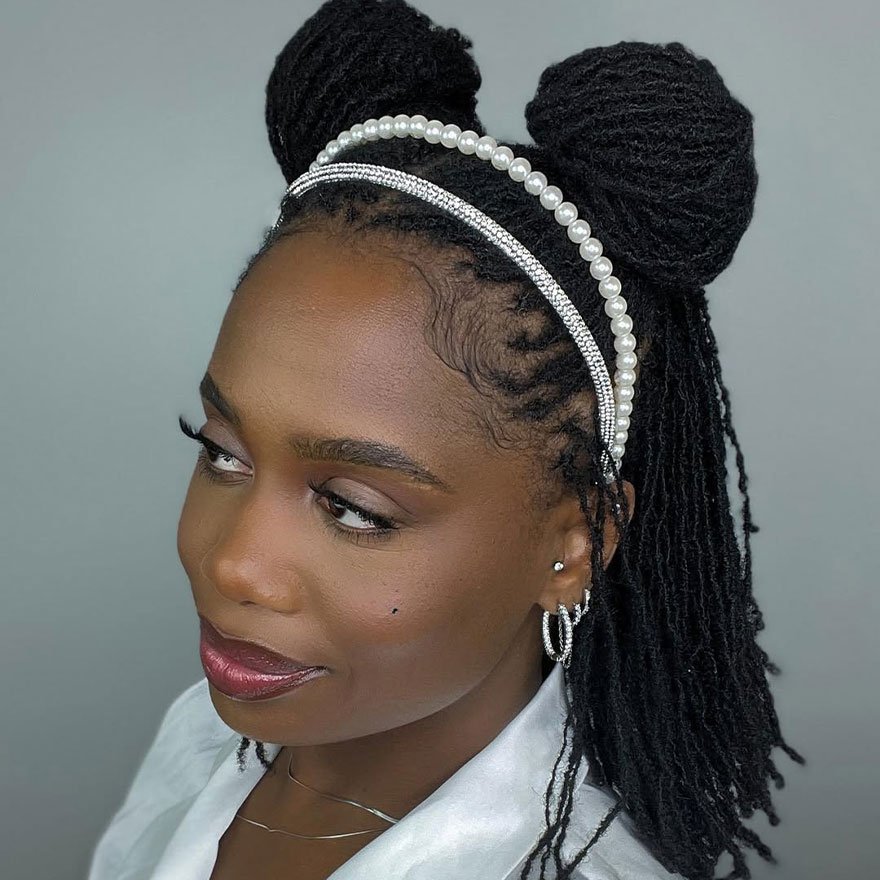
Credit Instagram – @kendrakenshay
Quick Summary: Wash Sisterlocks gently with the braid-and-band method to prevent unraveling during early stages.
During the early stages, washing your Sisterlocks requires special care. The braid-and-band method is used to keep the locs from unraveling. This involves sectioning your hair into small braids and securing the ends before shampooing.
Focus on cleansing your scalp first, using gentle motions, and let the shampoo rinse through the rest of your hair. Avoid heavy rubbing or conditioner use, as this can loosen immature locs.
As your Sisterlocks mature, you can wash more freely — typically every one to two weeks — without risk of slippage.
Maintenance
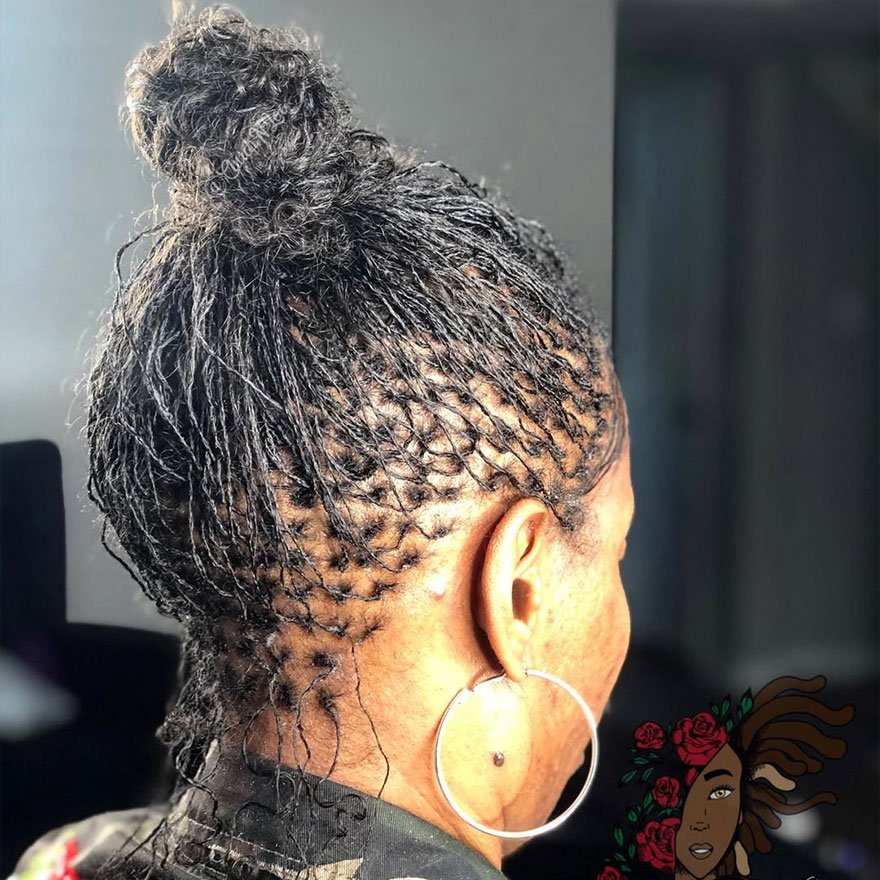
Credit Instagram – @clutchnloc
Quick Summary: Sisterlocks should be retightened every 4–6 weeks to keep them neat and healthy.
Like all loc styles, Sisterlocks need consistent upkeep to stay neat and healthy. They require retightening every 4–6 weeks, which can take several hours depending on the number of locs and your hair growth rate.
Only certified consultants or trained individuals can perform professional retightening, ensuring each loc remains uniform and tension-free.
After wearing your Sisterlocks for about six months, you can take a self-retightening class to learn how to maintain them on your own — a great way to save time and cost in the long run.
Styling
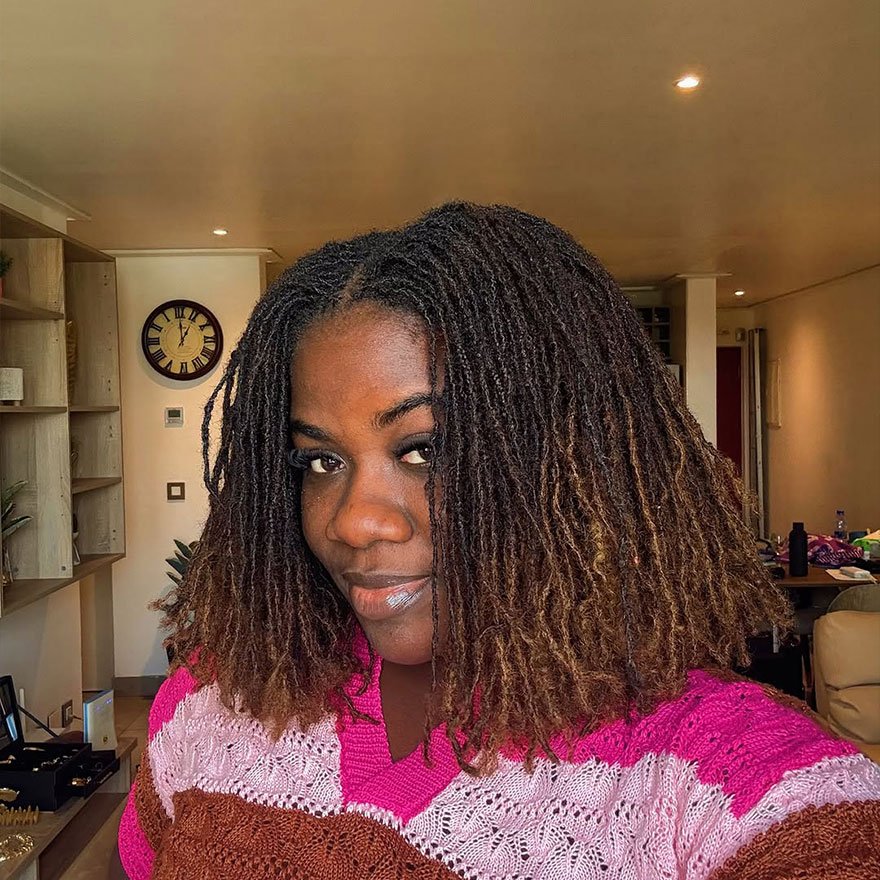
Credit Instagram – @hairgasm.gh
Quick Summary: Sisterlocks can be styled in countless ways — from braids and curls to elegant updos.
Sisterlocks are beloved for their versatility. Because they are small and flexible, they can be styled in endless ways — from buns, braids, and curls to updos, ponytails, and half-up styles.
Their lightweight nature allows for both casual and formal looks, including intricate bridal hairstyles and voluminous curls. Whether you prefer minimalist elegance or creative flair, Sisterlocks adapt to your personal style with ease.
The Sisterlocks Package
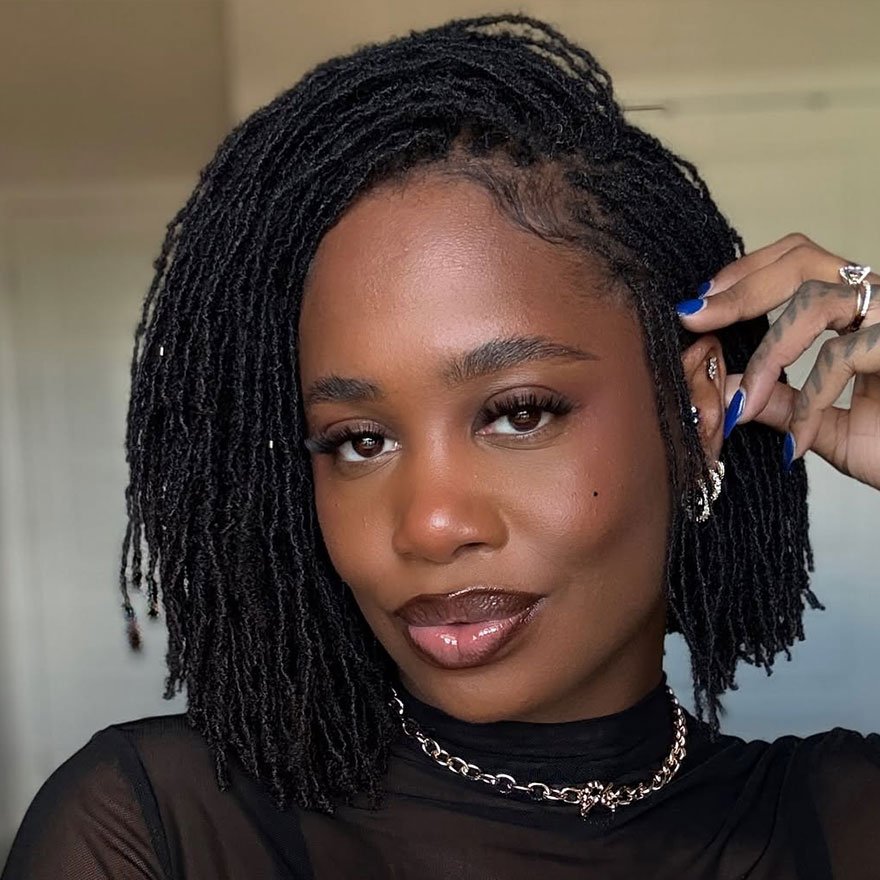
Credit Instagram – @kendrakenshay
Quick Summary: Starting Sisterlocks involves a three-step process — consultation, installation, and follow-up retightening.
Starting your Sisterlocks journey involves three key stages:
- Consultation:
You’ll meet with a certified Sisterlocks consultant who will assess your hair texture, density, and scalp condition. A few sample locs are installed to test how your hair responds to the process. - Establishment (Installation):
Once approved, you’ll return for your full installation session — a multi-hour or multi-day process depending on your hair’s length and volume. - Follow-Up Appointment:
Two to three weeks after installation, you’ll have your first retightening session. Your consultant will evaluate your hair’s progress, guide you on washing and maintenance routines, and determine your ideal retightening schedule.
This three-part system ensures your Sisterlocks start strong, stay healthy, and continue to look beautiful for years to come.
Final Thoughts
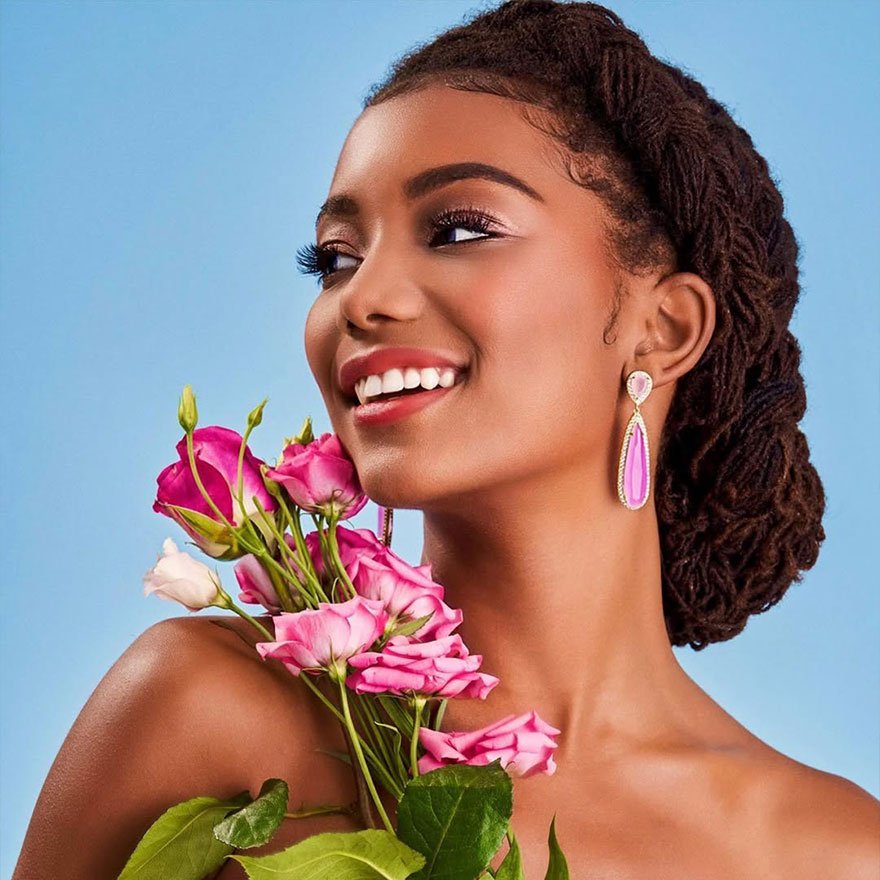
Credit Instagram – @iambriannakay
Quick Summary: Sisterlocks combine natural beauty with low-maintenance versatility, offering a lifelong hair journey of confidence and freedom.
Sisterlocks are a blend of beauty, practicality, and personal empowerment. They offer a unique way to embrace your natural texture while maintaining freedom, versatility, and elegance. Whether you’re going for a bold transformation or a low-maintenance lifestyle, Sisterlocks are a journey worth taking — one tiny loc at a time.