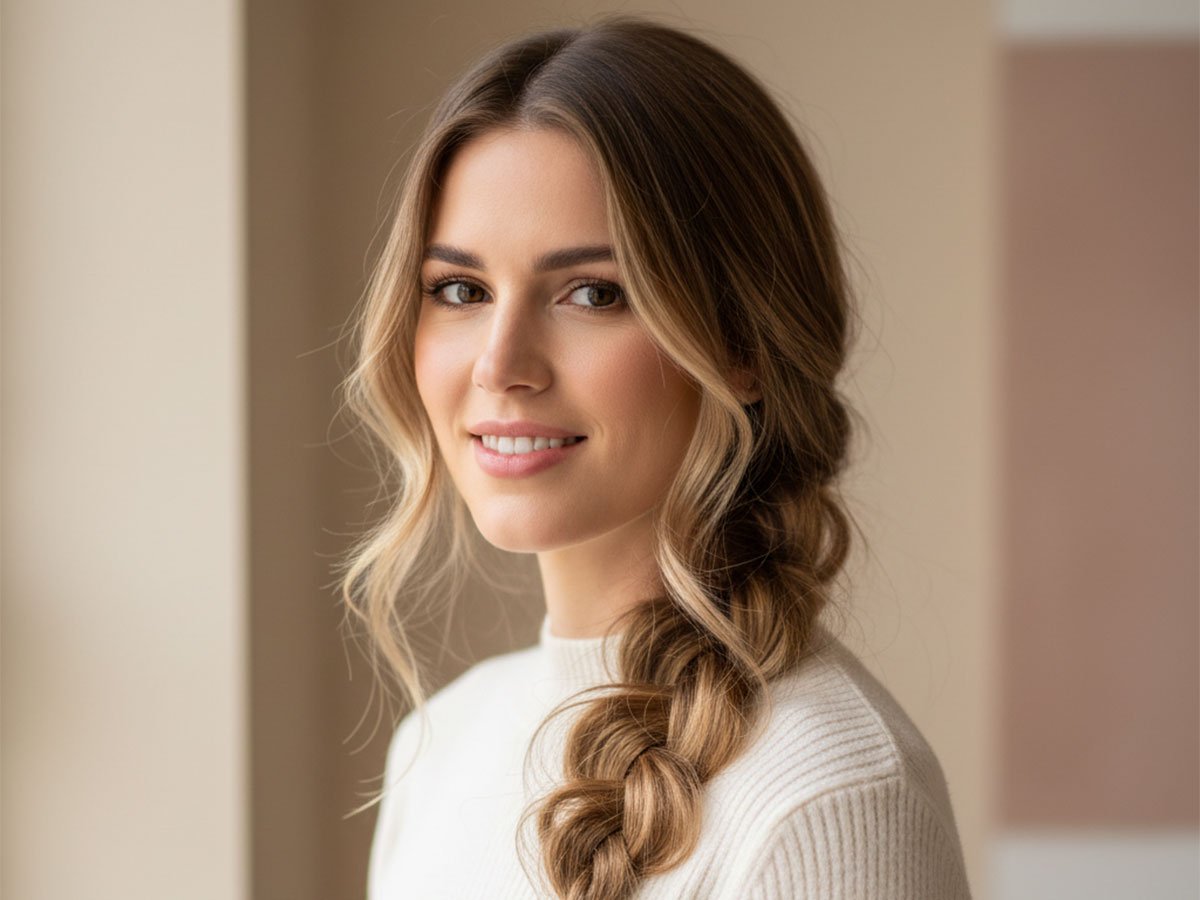
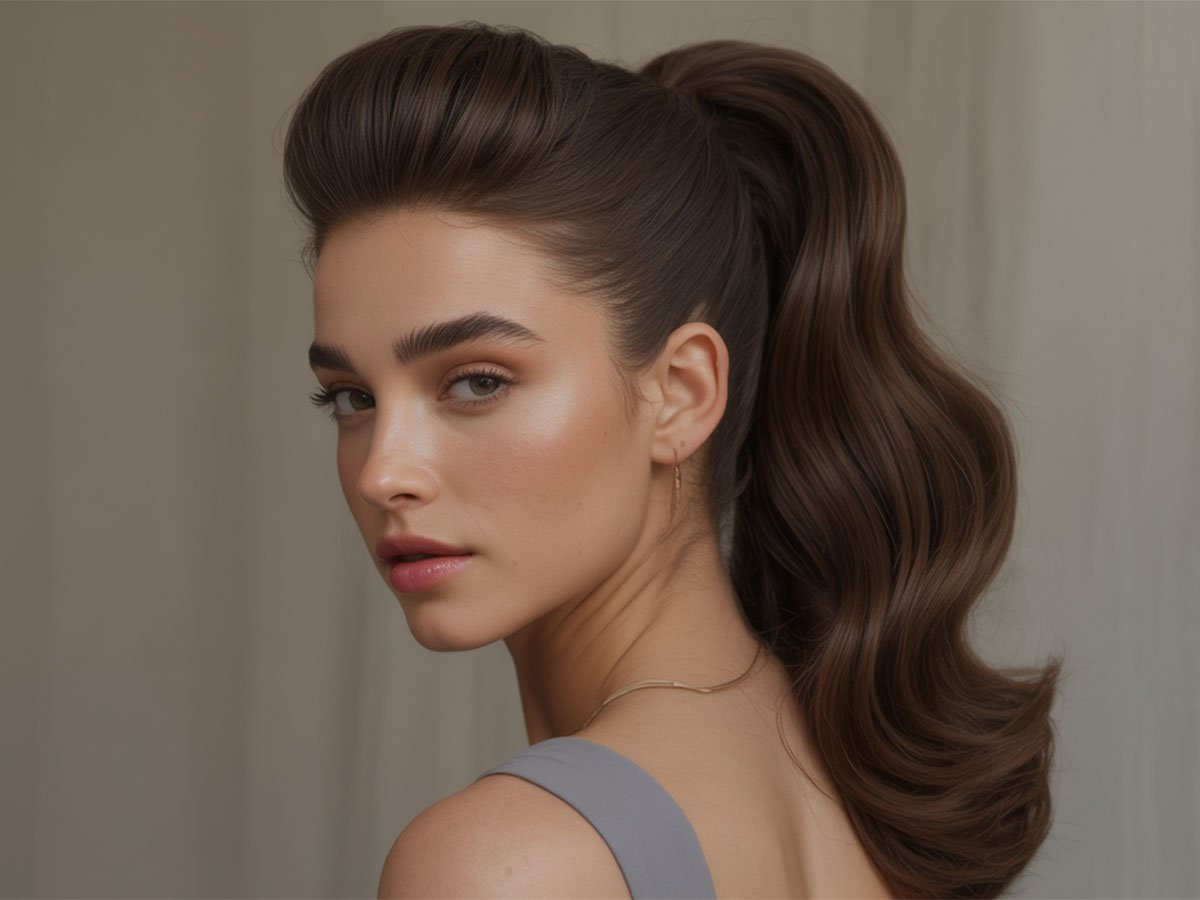
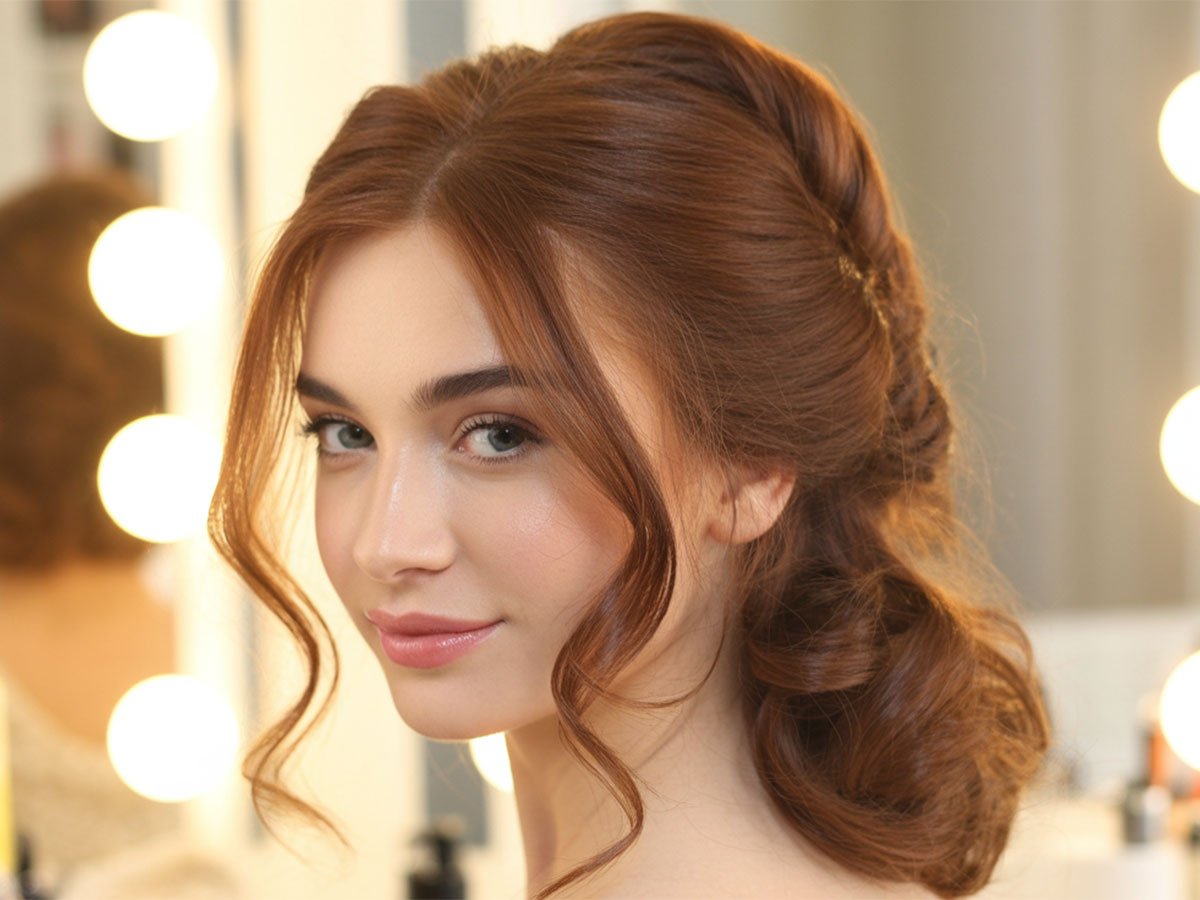
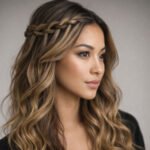
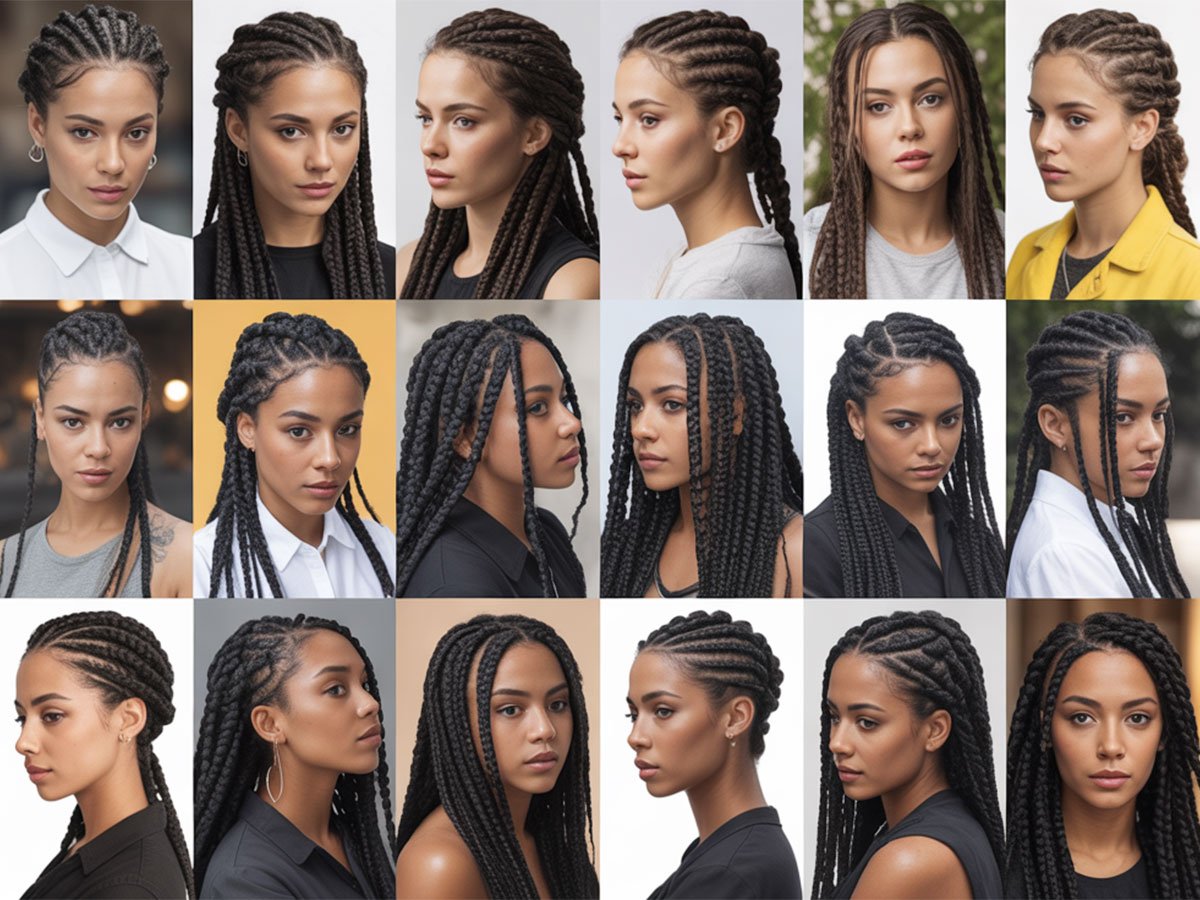
Want to learn braiding without feeling overwhelmed? This beginner-friendly guide walks you through easy, wearable braiding hairstyles—from the classic three-strand braid to fishtail braids, Dutch braids, crown styles, bubble ponytails, and waterfall braids—all broken down into simple, step-by-step techniques.
These styles are perfect if you’re just starting out and want polished results without professional tools or salon skills. You’ll learn how to create half-up crown braids with loose hair, side Dutch braids into ponytails, double Dutch braids, cornrows into a high ponytail, and soft twisted half-up styles that work for everyday wear, casual outings, and special occasions.
Each hairstyle focuses on easy hand placement, clean sections, and beginner-friendly movements, helping you build confidence as you braid. Whether you prefer tight fishtail braids, relaxed crown braids with waves, or protective braided ponytails, these tutorials make braiding feel achievable, fun, and stylish—one braid at a time.
Classic Three-Strand Braid
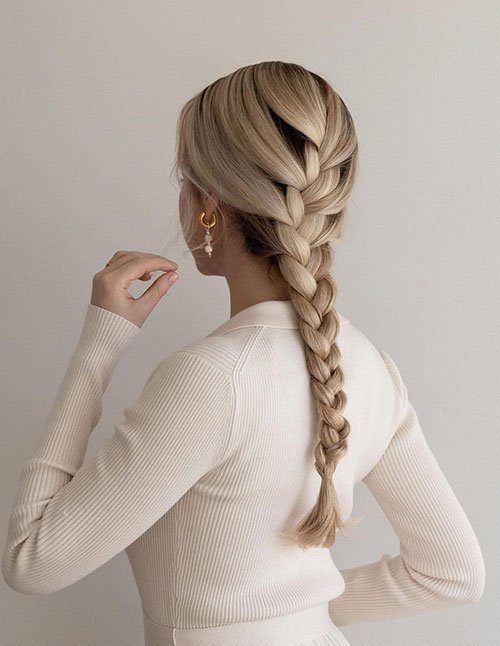
Credit Instagram – @alexgaboury
Start simple, and you’ll braid faster than you think. The classic three-strand braid is the clean, balanced plait where side sections cross over the center again and again. It’s the easiest way to practice Braiding For Beginners Step By Step without getting tangled.
For a smooth finish, this style works on straight to wavy hair and most face shapes because it doesn’t overpower your features. Keep tension medium for comfort, then rub a pea-size leave-in between your palms to control flyaways. The vibe stays timeless—neat, polished, and ready for everyday wear.
Half-Up Crown Braid with Loose Hair
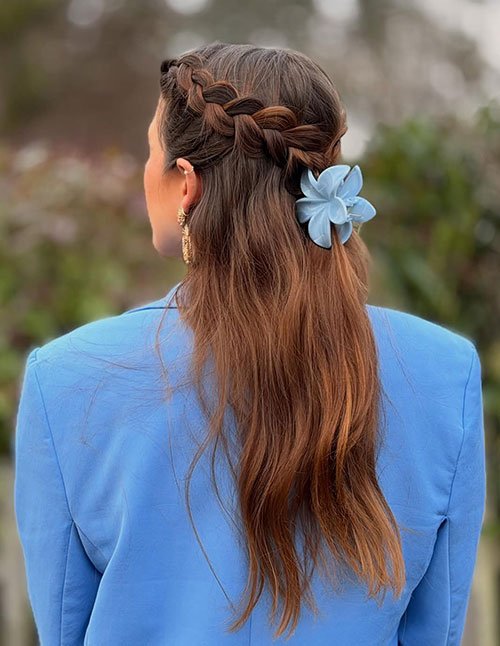
Credit Instagram – @annalovesbraids
Picture a soft “headband” made from your own hair. This half-up crown braid wraps across the top while the rest stays loose, making it feel pretty without being too formal. It’s a go-to when you want Step By Step Hair Braiding that still looks airy.
If your hair is fine, add texture spray first so the braid grips and doesn’t slip. Pin the ends under the braid and gently tug the loops for a fuller crown with low-to-medium maintenance. The vibe is romantic and effortless—perfect for casual days or cute plans.
Bubble Braid Ponytail
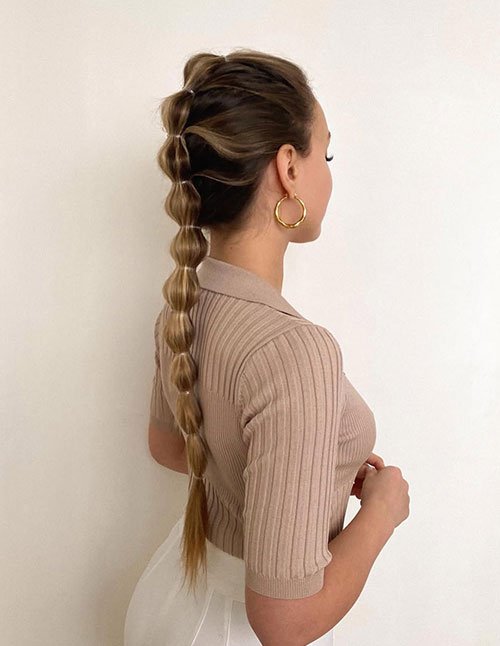
Credit Instagram – @roralovestrand
Not every braid needs actual weaving to look bold. The bubble braid ponytail is made by stacking elastics down a ponytail, then pulling each section outward to create round “bubbles.” It’s one of the quickest How To Do Cool Braids Step By Step styles for busy mornings.
Thicker hair gives bigger bubbles, but fine hair can cheat it with a bit of dry shampoo for grip. Use small clear elastics, keep spacing even, and smooth the top with a soft brush for medium upkeep. The vibe is sporty-chic—fun, trendy, and super photo-friendly.
Fishtail Braid (Single, Tight)
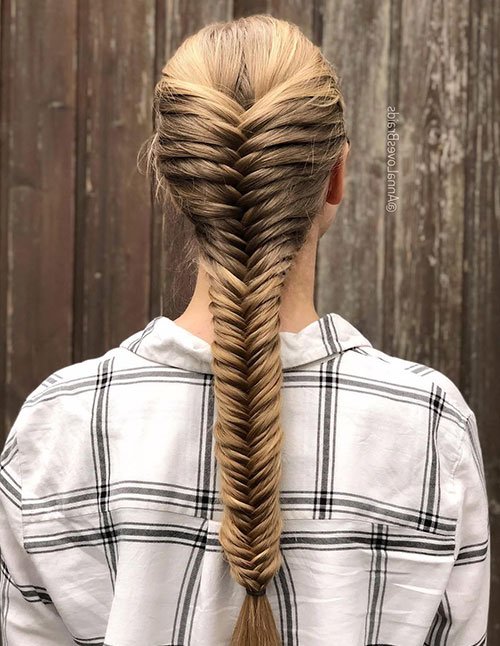
Credit Instagram – @annalovesbraids
Want a braid that looks advanced but follows a simple rule? A tight fishtail braid uses only two main sections, and you keep crossing tiny pieces from the outside into the center. This is a classic in Braiding Tutorials Step By Step because the pattern turns out so detailed.
It suits medium-to-long hair best, especially straight or lightly wavy hair where the texture shows clearly. Work with slightly damp hair or add a light styling cream to keep strands from escaping, and expect medium-to-high maintenance. The vibe is sleek and intricate—like you planned your whole look.
Side Crown Braid with Loose Waves
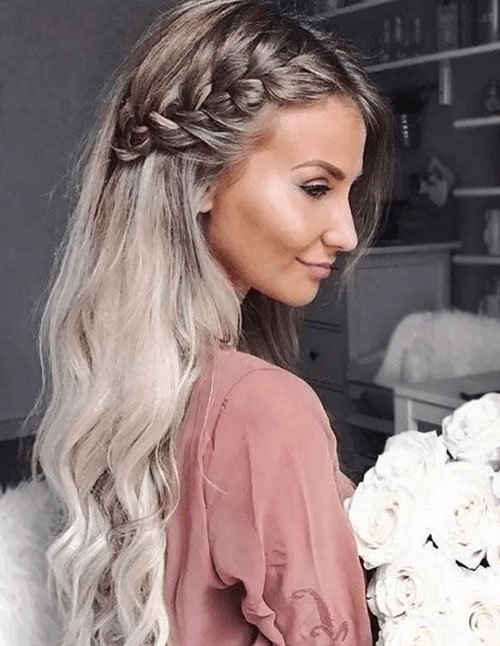
Credit Instagram – @stylishboard
Think of this as “soft glam” with zero stress. A side crown braid sweeps along one side like a braided frame, while loose waves keep everything relaxed and modern. It’s a flattering pick when you want Braiding Step By Step without pulling all your hair back.
This works best on wavy hair or hair you’ve curled first, because texture makes it easier to hold shape. Secure with bobby pins that match your hair color, then finish with a flexible hairspray for medium maintenance. The vibe feels dreamy—sweet, stylish, and a little boho.
Side Dutch Braid into Low Ponytail
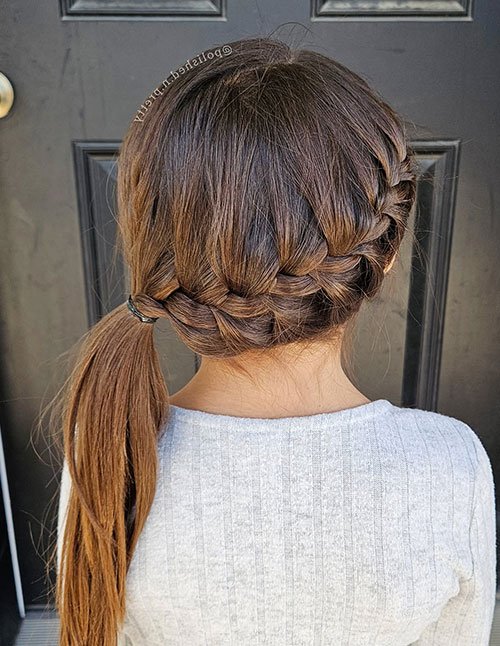
Credit Instagram – @polished.n.pretty
Go bold with a braid that sits on top, not underneath. A Dutch braid is the “inside-out” version of a French braid, and feeding it into a low ponytail makes the style feel tidy and wearable. If you’re following a French Braiding Tutorial, this is the cool next step to try.
It’s great for gym days, office days, or anywhere you want hair off your face without looking basic. Keep sections clean, braid with steady tension, and use a touch of gel at the roots for a sharper look with medium upkeep. The vibe is clean and confident—sleek with a sporty edge.
Waterfall Braid (Half-Up)
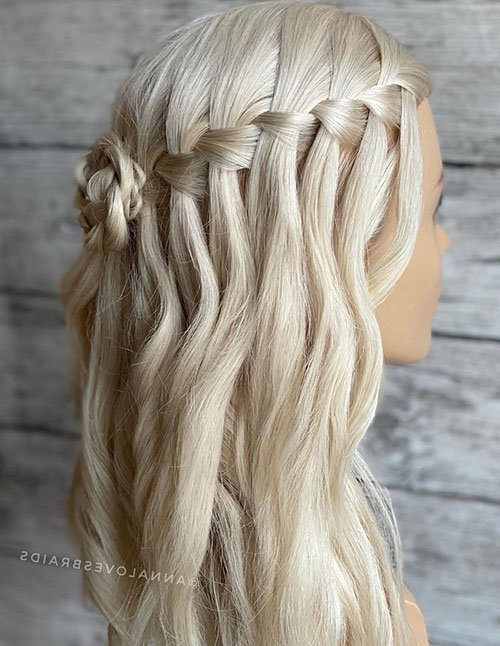
Credit Instagram – @annalovesbraids
This one looks like it “flows” across your hair for a reason. A waterfall braid drops a strand each time you cross, creating that cascading effect while the rest stays loose. It’s one of the prettiest Braiding Techniques For Beginners once you get the hand motion down.
It suits medium to long hair and looks especially gorgeous on curled or waved hair because the drops stand out more. Use a tail comb for clean sections, pin firmly behind the ear, and keep maintenance medium. The vibe is soft and feminine—perfect for events, photos, or just feeling extra.
Fishtail Braid
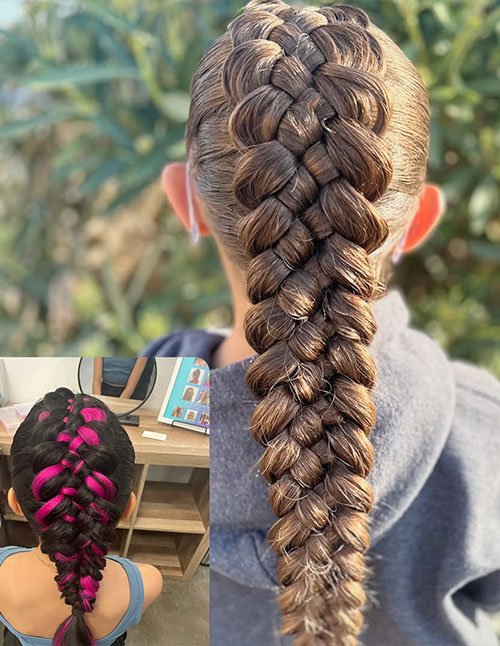
Credit Instagram – @alyssas_haircreations
Try this when you want texture that doesn’t look “too perfect.” A fishtail braid has that woven, mermaid-like finish, and you can wear it tight for definition or looser for a messier look. It’s a staple in Braiding Tutorials because it upgrades basic outfits fast.
It works best on longer hair, but medium hair can pull it off with smaller sections. Add texturizing powder at the roots for grip, then loosen the braid gently for a fuller effect with medium maintenance. The vibe is effortless-cool—pretty, modern, and slightly undone.
Single Dutch Braid
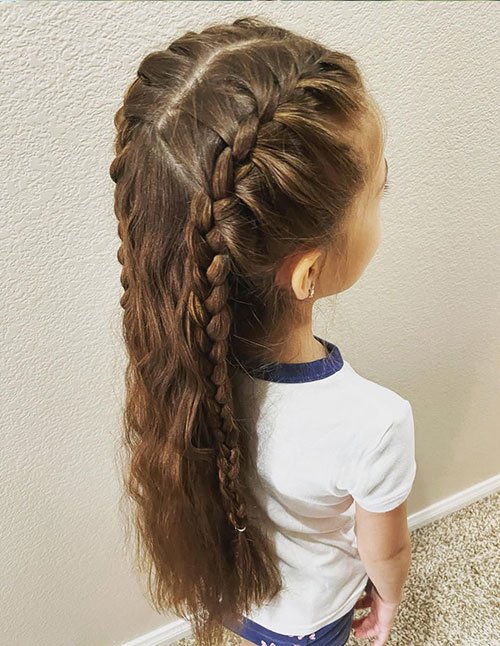
Credit Instagram – @braidingbeautyb
Here’s your power braid for everyday life. A single Dutch braid runs down the back with raised definition because the strands cross under instead of over. For Braiding For Beginners Step By Step, it’s a great way to learn section control and even tension.
This style is especially helpful for thick hair or layered hair that needs to be “contained.” Use a smoothing cream at the hairline, braid firmly, and secure with a snag-free elastic for low-to-medium upkeep. The vibe is strong and sporty—clean lines, no fuss.
Double Dutch Braids
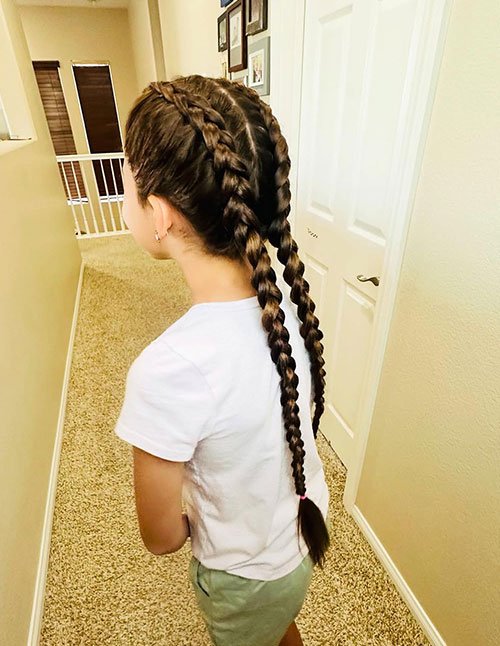
Credit Instagram – @braidingbeautyb
Two braids instantly make everything look more intentional. Double Dutch braids are symmetrical, raised, and structured, which is why they’re loved for workouts, long days, and travel. They’re also perfect Step By Step Hair Braiding practice because each side teaches hand coordination.
They suit most face shapes, and they’re extra flattering if you like a snatched, clean look around the hairline. Use a rat-tail comb for sharp parts, and set with light gel for medium maintenance. The vibe is bold and athletic—sharp, youthful, and confident.
Top Crown Braid with Loose Length
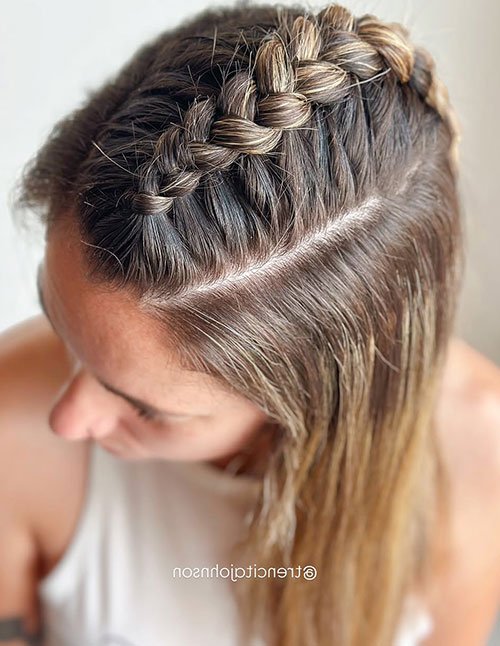
Credit Instagram – @trencitajohnson
Make your hair feel “styled” without hiding its length. A top crown braid sits higher on the head, giving lift and a pretty shape while the rest flows down naturally. It’s a sweet way to learn How To Make Different Braids while keeping the look wearable.
This suits medium to long hair and looks amazing on soft waves or natural texture. Secure the braid with pins tucked underneath, then pull a few face-framing pieces for a softer finish with medium upkeep. The vibe is elegant-casual—fresh, airy, and feminine.
Twisted Half-Up Braid with Curls
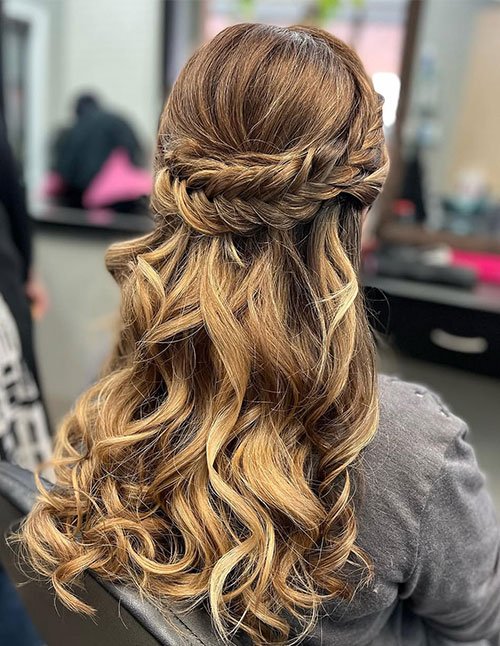
Credit Instagram – @jenniestylist
If you like volume, this one is a vibe. Twists plus curls give you a half-up style that looks full, bouncy, and “done,” even if you’re new to braiding. It fits perfectly into Braiding Tutorials Step By Step because the sections are easy to control.
It works best on medium-to-long hair and especially shines on curled hair or naturally curly textures. Use a curl cream or mousse first, twist gently, then pin securely for low-to-medium maintenance. The vibe is soft glam—pretty, flirty, and event-ready.
Cornrow Braids into High Ponytail
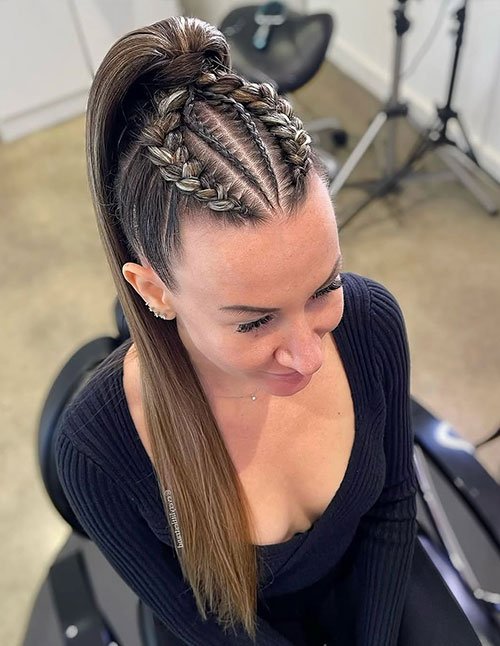
Credit Instagram – @everylittlestrand
Ready for a cleaner, more sculpted look? Cornrows feed into a high ponytail for a sharp, lifted style that keeps hair secure and out of your face. This is more advanced than most Braiding Step By Step looks, but it’s a strong goal style to build toward.
It suits many hair types, especially textured hair, and it’s great when you want a protective, long-lasting finish. Use edge control for smooth parts, keep tension comfortable, and plan for medium-to-high maintenance depending on how long you wear it. The vibe is bold and powerful—sleek, high-impact, and confident.
Frequently Asked Questions
1) What’s the easiest braid to start with if I’ve never braided before?
Begin with the Classic Three-Strand Braid because it teaches section control and even tension fast. Once that feels smooth, move into a single Dutch braid or a simple half-up crown style.
2) My braid keeps getting loose—what can I do to make it stay tight longer?
Start with slightly textured hair (dry shampoo or texture spray helps) and keep your hand placement close to the scalp. Use smaller sections, secure firmly with a snag-free elastic, then finish with a light flexible hold spray.
3) How do I get cleaner parts and smoother sections without fancy tools?
A rat-tail comb makes the biggest difference for clean lines and neat sectioning. If you don’t have one, use the pointed end of a hair clip, and smooth each section with a tiny amount of leave-in or styling cream.
4) Which braid is best if I want my hair off my face but still want it to look soft?
Try a Half-Up Crown Braid with Loose Hair or a Side Crown Braid with Loose Waves for a face-framing result. Both feel light and pretty, and they don’t require super tight tension to look polished.
5) What’s the quickest “braided look” for beginners when I’m in a rush?
Go for a Bubble Braid Ponytail—no weaving needed, just elastics and gentle tugging for shape. It’s beginner-friendly, looks trendy, and works well even if your sectioning isn’t perfect.
6) How do I make a fishtail braid look neat instead of messy and uneven?
Keep the two main sections even, and take small outer pieces consistently on both sides. Slightly damp hair or a tiny bit of styling cream on your fingers helps control flyaways while you braid.
7) How should I prep my hair differently for sleek braids vs. soft “messy” braids?
For sleek braids, smooth with a light gel or cream and brush sections clean as you go. For soft braids, add texture spray first and gently loosen the braid after securing for a fuller, relaxed finish.
Conclusion
Braiding gets easier the moment you stop trying to be perfect and start practicing the basics. Begin with the three-strand braid to build confidence, then level up into Dutch, fishtail, and crown styles as your hands learn the rhythm.
Use simple prep—texture for grip, clean sections, and the right tension—and you’ll get polished results without salon skills. Keep experimenting, stay patient, and you’ll be surprised how quickly “beginner” turns into “I’ve got this.”