Credit Instagram – @drscalpnyc
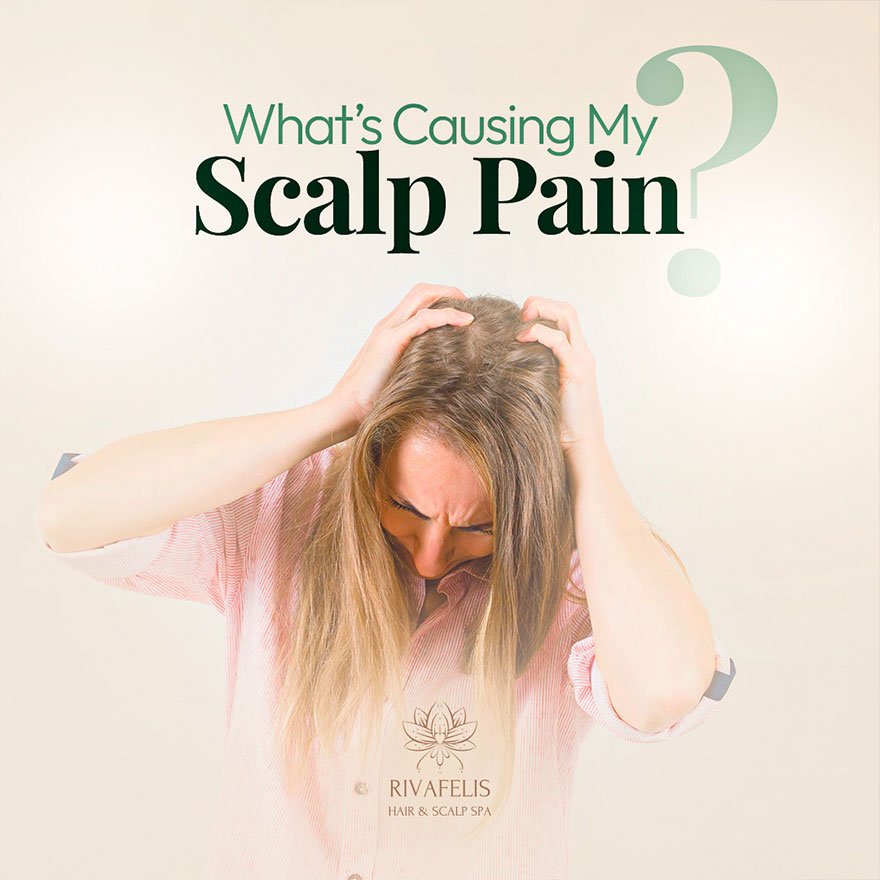
If you’ve ever wondered, “Why does my hair hurt?”, you are not alone. Many people experience scalp tenderness where even the slightest touch, movement, or brushing feels painful. Although it feels like the hair itself is hurting, the pain actually comes from the nerve endings in the scalp and hair follicles. When those nerves become inflamed, irritated, or overstimulated, it creates a sensation often described as hair soreness, root pain, or scalp sensitivity. The good news is that this discomfort is usually temporary and treatable once the root cause is identified.
What Does It Mean When Your Hair Hurts?
Credit Instagram – @onionbeauty.bn
Your “hair hurting” is simply a sign that the scalp is stressed or irritated. Nerve endings near the hair follicles react to pressure, buildup, tension, inflammation, or certain scalp conditions. This discomfort may feel like soreness, tightness, tingling, burning, or a bruised sensation when you move your hair. Because the nerves sit so close to the hair roots, even a mild imbalance on your scalp can feel extremely uncomfortable.
Common Symptoms of Scalp Tenderness
Most people notice discomfort when touching or brushing their hair, but the sensation can also appear as burning, itching, tightness, or a sore feeling around the roots. Some experience pain after removing a tight ponytail, while others feel it when their hair becomes greasy or unwashed. These symptoms can be mild or intense, and sometimes they come and go depending on the underlying reason.
Top Reasons Why Your Hair Hurts
Credit Instagram – @rivafelisspa
Here are the most common causes of scalp pain, explained in clear and practical detail.
1. Tight Hairstyles and Ponytail Pressure
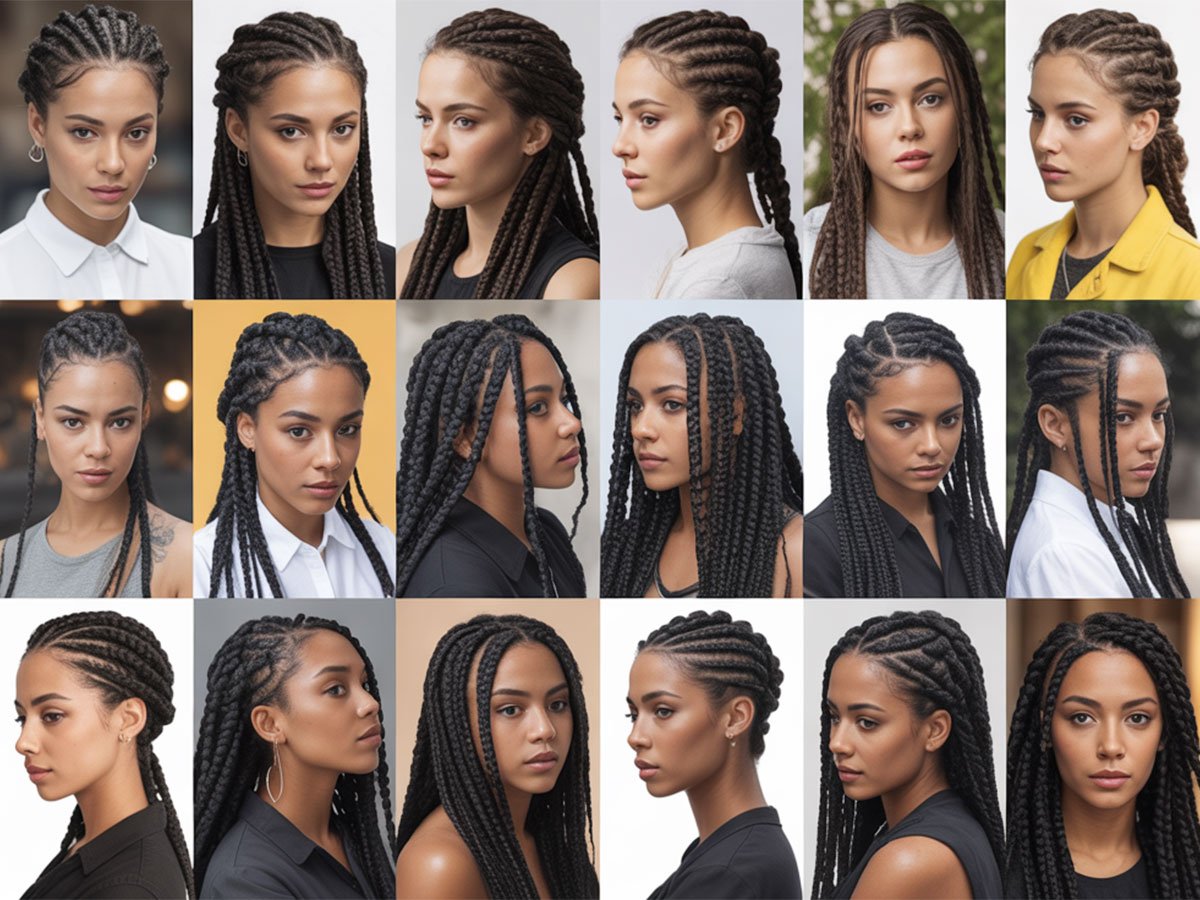
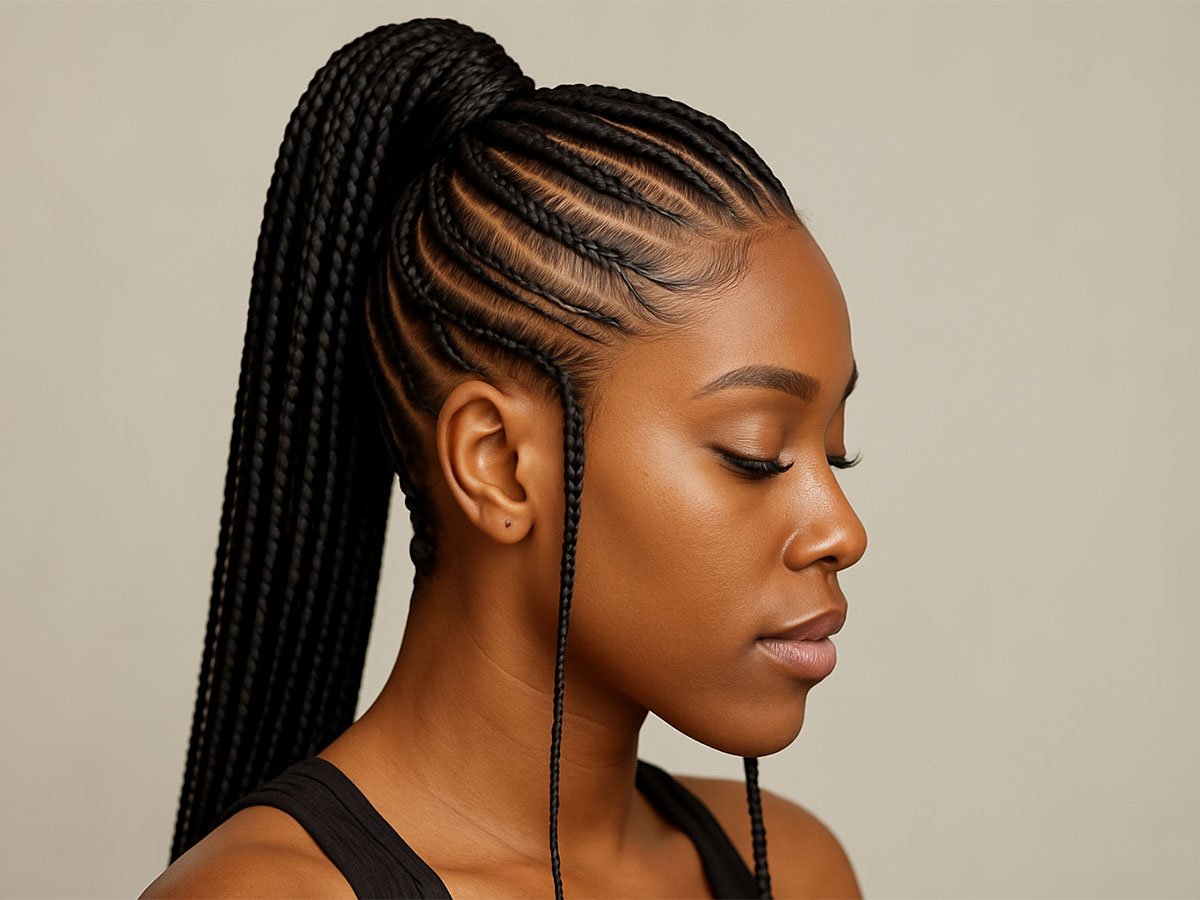
Wearing very tight hairstyles such as high ponytails, braids, sleek buns, cornrows, or extensions pulls the hair follicles with constant force. This tension irritates the nerves in the scalp and often creates a dull, heavy pain known as a ponytail headache. If the pain appears right after removing a tight hairstyle or during long wear, this is likely the cause.
To reduce this discomfort, keep your hairstyles slightly looser, avoid pulling the hairline too tightly, and switch to soft fabrics like satin scrunchies instead of rigid elastics. Giving your scalp regular breaks from tension can prevent ongoing soreness.
2. Scalp Buildup from Oil, Sweat, or Products
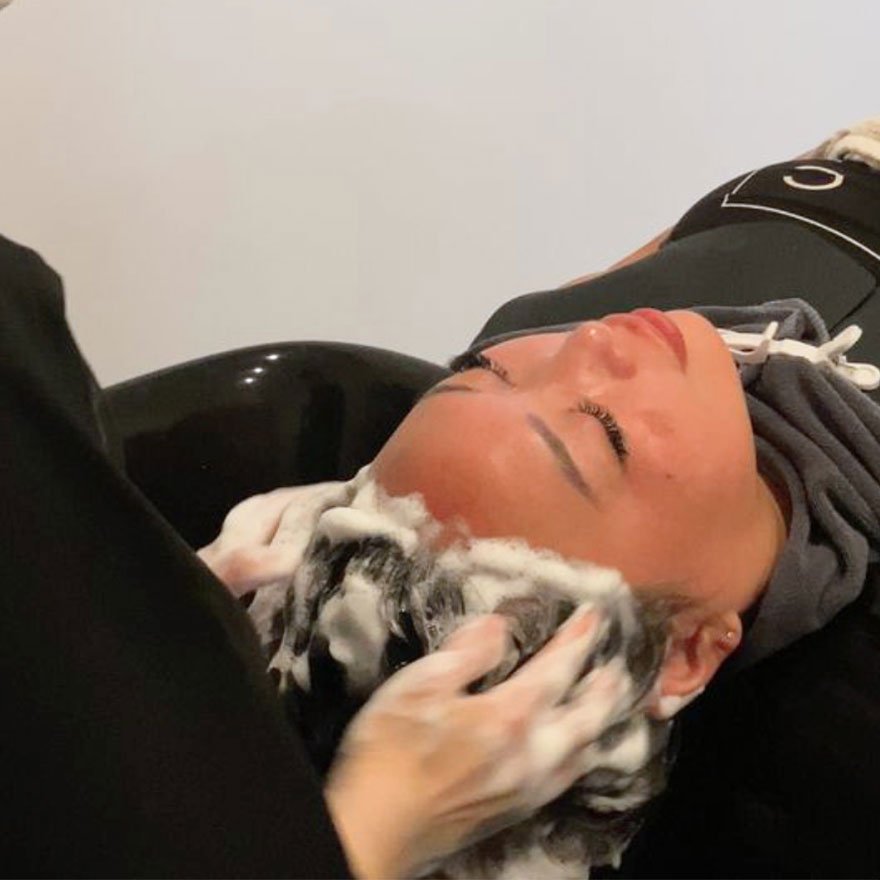
When the scalp goes too long without cleansing, oils, sweat, and styling products accumulate near the follicles. This buildup blocks the pores and traps bacteria, which irritates the scalp and creates soreness. Many people who feel their “roots hurt” also notice greasiness, odor, or itching.
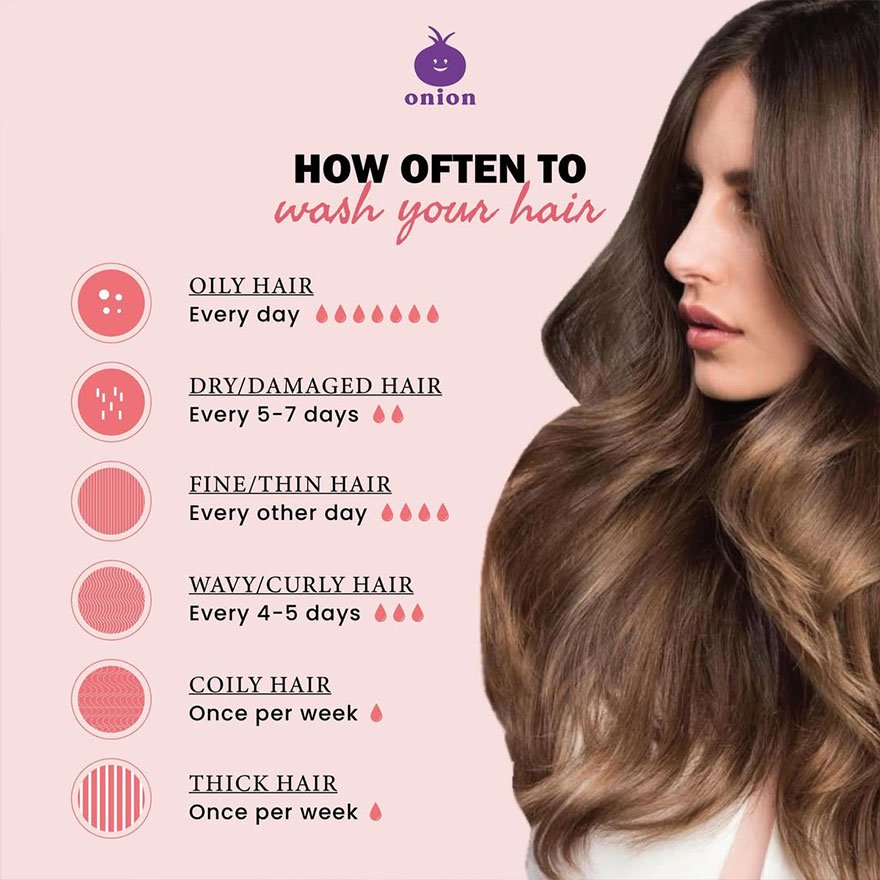
Balancing your wash routine is essential. Most scalps do well with washing every two to three days, though oily hair may need more frequent cleansing. Using a pH-balanced shampoo and occasionally adding a clarifying wash can help remove buildup and restore comfort.
3. Dandruff and Seborrheic Dermatitis
Dandruff and seborrheic dermatitis can cause flakes, redness, and inflammation that make the scalp extremely sensitive. When the scalp becomes irritated from yeast overgrowth or irritation, the nerve endings beneath the skin react, leading to soreness.
Treating this condition usually requires anti-dandruff shampoos containing ingredients such as zinc pyrithione, ketoconazole, or salicylic acid. Consistency is key, and avoiding scratching helps prevent further sensitivity.
4. Psoriasis or Eczema on the Scalp
Scalp psoriasis and eczema are inflammatory skin conditions that create patches of dry, raised, or flaky skin. These patches can be painful when touched or when brushing over them. Because the skin becomes inflamed, the nerve endings also become more reactive, which produces a feeling of hair pain.
Dermatologist-recommended treatments, medicated shampoos, and gentle, fragrance-free products are often required to manage these conditions. Avoiding scratching and minimizing friction helps the scalp heal more efficiently.
5. Folliculitis (Inflamed Hair Follicles)
Folliculitis occurs when hair follicles become infected or inflamed, usually due to bacteria, fungus, or irritation. This condition often presents as small red bumps, tenderness in specific areas, and pain that worsens when touching the affected spot.
Managing folliculitis usually involves gentle antibacterial or antifungal shampoos. More severe cases may need medicated creams or antibiotics prescribed by a healthcare provider. Proper scalp hygiene and avoiding oily or heavy products at the roots can also prevent flare-ups.
6. A Sunburned Scalp
Spending too much time outdoors without a hat or SPF can lead to a sunburned scalp. The skin becomes tender, red, and very sensitive, making even light hair movement painful. Because the scalp is thinner near the hairline and parting, these areas often burn first.
Allowing the scalp to rest, applying soothing aloe gel (patch-tested first), and avoiding hot showers helps reduce the discomfort. For future protection, using a hat or SPF mist for the scalp is highly effective.
7. Allergic Reactions to Hair Products
If your scalp pain started after switching shampoos, dyes, oils, or styling products, a contact allergy may be the cause. Harsh chemicals, strong fragrances, or preservatives can cause redness, irritation, and tenderness.
Stopping the suspected product immediately and switching to gentle, hypoallergenic formulas often resolves the issue. In stronger reactions, a dermatologist may recommend medicated creams or treatments. Patch testing is also helpful for frequent hair-dye users.
8. Stress, Anxiety, or Tension Headaches
Credit Instagram – @jeanyipmsia
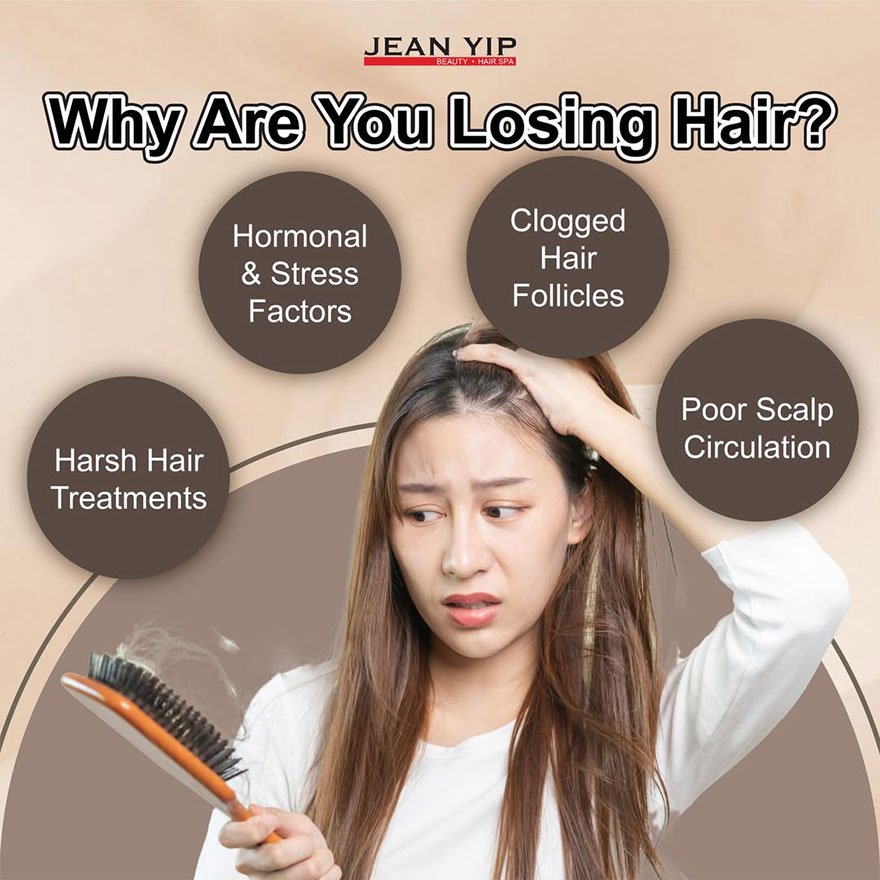
Emotional stress can physically affect the scalp. High stress levels tighten the muscles of the head, neck, and shoulders, which reduces proper blood flow and irritates the nerves around the hair follicles. This can make your scalp feel sore, heavy, or overly sensitive.
Stress management techniques such as stretching, meditation, light exercise, and proper sleep can significantly reduce scalp tenderness. Slow, gentle scalp massages can also help relax tight muscles and soothe soreness.
9. Migraines and Scalp Sensitivity (Allodynia)
People who experience migraines often develop allodynia, a condition in which even normal touch feels painful. This means that brushing your hair, lying on a pillow, or moving your head can trigger scalp discomfort.
Managing this type of pain requires addressing the underlying migraine. Your doctor may recommend medication or lifestyle changes to reduce the frequency of attacks. Avoiding strong pressure on the scalp during migraine episodes is also helpful.
10. Insect Bites, Skin Infections, or Medical Conditions
Though less common, scalp pain can also result from insect bites, local infections, or autoimmune conditions. These often involve localized swelling, redness, warmth, or visible bumps. Any severe, persistent, or rapidly worsening pain should be examined by a healthcare professional to rule out deeper issues.
How to Fix Scalp Pain and Reduce the “Hair Hurts” Feeling
Most cases of scalp pain improve once the underlying cause is addressed. Letting your hair rest from tight styles, cleansing your scalp properly, avoiding harsh products, and managing stress can significantly reduce sensitivity. Treating conditions such as dandruff, folliculitis, or psoriasis with the appropriate medicated products also provides relief.
Applying cold compresses after sun exposure, using soothing scalp sprays, and gently massaging the scalp can further reduce discomfort. Over-the-counter pain relievers help occasionally, but they should not replace proper treatment of the root cause.
When You Should See a Doctor
Seek professional help if scalp pain is severe, persistent, or accompanied by:
- sudden hair loss
- open sores
- pus or fluid
- spreading redness
- fever
- visible swelling
A dermatologist can identify underlying conditions and provide effective treatment.
Frequently Asked Questions
Hair roots hurt when the scalp’s nerve endings are irritated by tension, buildup, dryness, inflammation, or tight hairstyles. When the nerves become sensitive, even small movements feel painful.
A dirty scalp leads to excess oil, sweat, and product buildup that clog follicles and trap bacteria. This irritation makes the scalp feel sore or tender at the roots.
Tight ponytails pull on the follicles and put pressure on the scalp nerves. This tension causes soreness, often called a “ponytail headache.”
Yes. Stress tightens the muscles around the head and neck, increasing nerve sensitivity in the scalp. This can make your roots feel tender or sore.
Seek medical help if scalp pain comes with fever, redness, pus, open sores, sudden hair loss, or if the pain persists for several days without improvement.
Final Thoughts
When your hair feels like it hurts, the real problem lies within your scalp. The nerves beneath the skin are reacting to irritation, inflammation, tension, or buildup. Most causes are temporary and fully treatable once you understand what is triggering the discomfort. By caring for your scalp, choosing the right products, and avoiding habits that strain your hair follicles, you can prevent scalp pain and maintain healthier hair in the long run.